Introduction to Salaraan - What you know
▶Contents
Religion
The main religion of the Empire and a majority of the people on the continent of Salaraan and most of Turaan is The Empyrean - a collection of sixteen gods, eight high spirits and eight high demons, who oversee and rule over all other non-mortal entities. While they are the most powerful and best known, each region, province, town or family might have a different set of entities they might worship - such as archangels or archdevils and even lesser entities. Regardless, when it comes to spirits and demons they all fall under one of the gods' domains.
Depending on where your character is and where your character is from they might hold and encounter differing opinions on matters of religion. While official Empyrean doctrine dictates that both spirits and demons are to be worshipped and respected equally, some groups and regions believe otherwise. Perhaps spirits are the protectors of mortals and devils lead people astray, or as most of the northern Empire believes - demons are the ones who lead to truth while the spirits are nothing more than liars and seducers.
Your character may believe any one of these versions, one that is entirely their own or even reject the divinity of the gods entirely, as the majority of the kingdom of Sarth does. Whatever the case may be you know one thing for certain - the gods and the beings that belong to their domains are very much real and can change the lives of mortals for better or worse.
The Gods Themselves
The gods of the Empyrean are divided into two main groups: the High Spirits and the High Demons.
High Spirits
This part of the pantheon is comprised of eight entities:
Theya is the supreme god (sometimes referred to as an overgod) and embodiment of good. She is the prime deity of the Spirit side of the pantheon to whom all other gods and lesser spirit entities answer to. Her domain and realm encompass all lesser domains.
- Lux - goddess of light, the sun, stars, day and victory
- Verumal - god of justice, truth, balance and order
- Vivus - goddess of life, birth, family and nature
- Lacuno - god of peace, tranquility, protection and craftsmanship
- Medela - god of health, healing and magic
- Fiducia - goddess of time and fate
- Trisitia - goddess of cleansing emotions
High Demons
This part of the pantheon is comprised of eight entities:
Exodus is the supreme god (sometimes referred to as an overgod) and embodiment of evil. He is the prime deity of the Demon side of the pantheon to whom all other gods and lesser spirit entities answer to. His domain and realm encompass all lesser domains.
- Umbra - goddess of darkness, the moons, shadows and night
- Obscurum - god of lies, trickery, chaos and luck
- Mersus - god of death, torture, blood and killing
- Fragor - god of war, bloodshed, battle and conquest
- Morbus - goddess of disgust, disease, insects and mutations
- Mevor - goddess of debauchery, lust, infidelity and freedom
- Iraqunda - goddess of corrupting emotions
Contracts
Both spirits and demons, most commonly angels and devils, may form contracts or pacts with mortals. In exchange for a service, part or entirety of their soul the divine being grants the individual a portion of their power, performs a miracle or answers a question that the being might know the answer to. Many mortals pray and offer sacrifice in order to gain the attention of a specific being, though they are quite rarely answered.
Not any divine can answer a mortal's prayer. The mortal must designate a specific angel or devil from whom they ask for a response. Each divine has specific conditions that must be met - perhaps the prayer must be performed at night or a circle of blue flames must be created around the mortal who seeks aid. The more powerful the entity, the more specific and more difficult the requirements become.
Once formed breaking the contract is nigh impossible to break and it is believed that they are enforced by the gods themselves. Often they come with clauses that stipulate what happens to each side should they break the terms. A divine cannot lie or obfuscate anything when creating a pact - no fine prints or creative use of words may be used, and such contracts have been shown to not work.
Should the divine die the contract is considered void, and the mortal party is free from their obligations but also of any power they may have acquired. In certain cases another entity may step in to maintain the contract and collect the reward that the mortal promised to the previous benefactor.
Magic
Magic in the most common sense has its source in an individual's willpower. Just as a painter uses paint to create an image a mage uses their willpower to shape the world around them.
An inherent natural aptitude is required for anyone who is able to practice magic, though some members of arcane academia believe that all individuals are capable of arcane acts. This is a heavily debated topic. Most individuals initially manifest very little ability, such as lighting a candle by staring at it or boiling water when angry. Magic typically first appears in a person between the ages of 12-16, though exceptions are not out of the ordinary. 1
It is not known for certain what exactly causes this initial capability to appear. What is known is that certain species are less inclined to possess arcane abilities, such as the Elawen amongst whom magic is incredibly rare, or Do'Rau among whom druidic magic is very common but rare elsewhere. Family history is also an influence; though people without any (known) mages in their family have been known to manifest the arcane, and vice versa.
Depending on their place of birth they may be educated, employed in war, shunned, killed, worshipped or considered an equal as any other non-magical person.
Most often they require education, be it from an academy (as is the norm in the Pheagon Empire), mentorship (common in Kingdom of Sarth) or otherwise. Extremely rare individuals are sufficiently talented that they can use their raw willpower to change the world around them.1
Types of magic
While each land will have their own ideas of categorization for the schools or types of magic they can all be summarized as follows:
- Agrimagic - While not a specific type of magic in and of itself it is a discipline that combines various other types of magic with knowledge of agriculture with the goal of enhancing crop yields, curing diseases for both plants and animals, getting rid of pests, etc. This is the most common type of magic as great magical prowess is not required to master the discipline. Low levels of control of the elements is thought to be sufficient and is supplemented with extensive knowledge of botany, horticulture, zoology and biology in general. Some agrimages also master the art of alchemy and choose to use their magical talents to perfect the various concoctions farmers require.
- War magic - War magic is the second most common type of magic. It is characterized by high prowess over the elements such as fire, lightning, water, etc. The mages of this discipline learn both offensive and defensive spells. They are employed on the frontlines of battles or against incursions. They can also be found in the employ of the wealthy as body guards or within the ranks of the guards of a city or town.
- Motus magic - Often referred to as space or teleportation magic. Motus mages can affect the very fabric of space allowing them to transport objects and people across vast distances, create pocket dimensions, move objects with sheer willpower, etc. They're often employed in post towers where they use their magic to ensure safe and fast travel and transport. They are also key in protecting the post tower network from hostile attempts at disruption or attacks.
- Illusion magic - Illusion mages focus on tricking the physical senses of other people and creatures in order to convince their minds that what they are experiencing is real. This includes creating images, sounds, smells, the movement of air, impact and vibration, among other things. They are experts at subterfuge, spying, and infiltration. True expertise in this discipline is considered extremely rare.
- Mistbending - All types of magic may be categorized as a form of mist bending. However, as a school of magic this term specifically refers to the act of changing properties of objects and even people. For example, a skilled mistbender might be able to turn wood into iron or iron into steel. For this purpose, they must learn complex formulae, rituals, and have sufficient willpower to do so. Mistbending is considered one of the rarest types of magic to the point where most schools do not have learning paths for it.
- Divination magic - It is debated with divination magic falls under magic as a whole. While some diviners claim that their abilities come from the divines, others reject this notion, and claim that their abilities stem from their own internal capacity to read other people's faiths or predict future events. True (non-divine) diviners are thought to be the rarest form of mage, and as such are highly valued by most nations around the world. However, the ability to read the future, even when someone is highly skilled in divination magic and has high capacity and willpower for it is limited at best.
- Necromancy - Necromancy is the discipline of resurrecting and controlling the dead. It is outlawed in some countries and seen as a great taboo that enjoys bans and even corporal punishment. Elsewhere it is seen as just another form of magic that mages gifted in it are free and even encouraged to pursue. The kingdom of Sarth is known for its openness and embrace of this school, though even there it enjoys certain limitations and regulations.
- Summoning - The school of summoning is a catch-all name for several sub-disciplines. This school includes pacts with demons and spirits and the ability to conjure either the divine with whom the pact was made, their emissaries, objects sent from them, etc. Other examples include pulling creatures and things from the Liminal Sea, Nightmare realm, or other planes of existence.
Countries
The Pheagon Empire
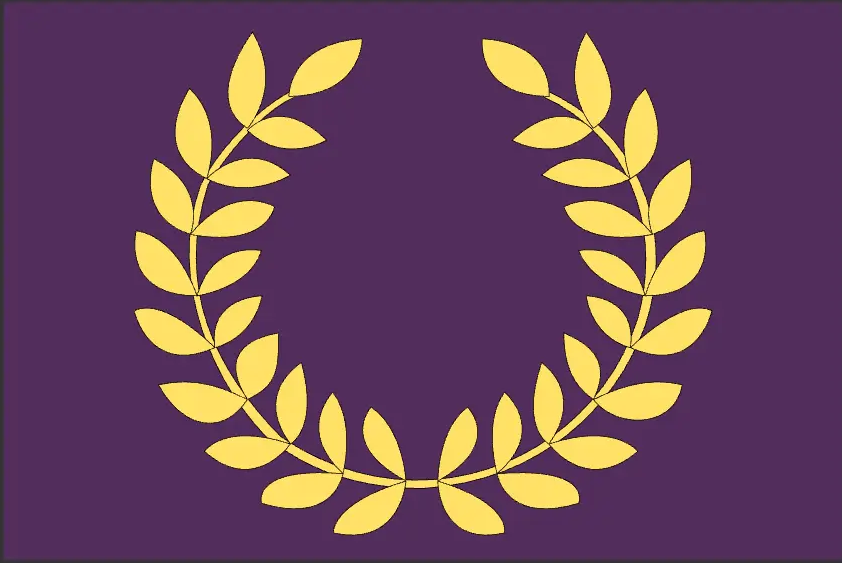
The Pheagon Empire is one of the dominant forces on the continent of Salaraan, and a power on the continents of Turaan and Quaraan. It finds itself embroiled in a Civil War between the four siblings - all claiming to be the heir to the throne.
Political structure
It is ruled by a Sovereign (colloquially referred to as the Emperor/Empress or just Empire) and Imperial Senate who enact decrees and laws that apply to all citizens across its many provinces. Each province was once part of another nation (or nations) that have been conquered, persuaded or married into the Empire's grasp. The official language of Imperial is used in trade and other transactions, administration, bureaucracy, etc. Different regions have different backgrounds, cultures, beliefs and languages, though all citizens are required to at least learn how to speak basic Imperial. These places and their peoples are fundamental in shaping and changing the Imperial identity and what it means to be an Imperial citizen. The Empire takes pride in its peoples' cultures, dialects, faiths and languages and promotes exchange and diversity whenever possible. For example, a coastal town in Valmeria may be host to a contingent of knights from the landlocked province of Sirat. Mages from one part of the Empire are required to attend schools in other provinces far from their own. This diversity is one of the primary things it attributes its success to.
Each province elects a governor and four senators that serve in the Imperial Senate. The senators are members of the nobility, affluent or influential groups that represent the provinces' interests in the Imperial Capital and act as a bulwark against the Sovereign's machinations. The governor on the other hand is chosen by popular vote by Imperial citizens to govern the province itself. While the Imperial political structures hold great power over all provinces and citizens it is at this level that most things get done. The governor's decrees must abide by the decrees of the Sovereign and laws of the Senate, but otherwise can affect any aspect of the lives of their citizens. Thus the lives of citizens can vary to a relatively great degree between one province and the next. This leads to migrations between provinces, which again is a step towards the goal of promoting close relations between the differing peoples' of the Empire.
Other political entities and organizations of note include the The Imperial Curia, The Watchers of the Law, and Imperial Inquisition.
Citizenship
Internally the Empire differentiates between a citizen and non-citizen. The majority of laws apply to both groups, but some only to one or the other, most often the favorable version being reserved for Imperial citizens. This often leads to great confusion amongst visitors and outsiders, but most Imperials see it as something logical and reasonable. For example - land and property cannot be inherited from nor by non-citizens, while citizens may leave a will to decide who, when, and under what conditions will the assets be inherited.
It is considered a privilege to be or become an Imperial citizen and the rights and duties that come with that status are never to be taken lightly. The Empire steadfastly believes in the equality of all its citizens. In the eyes of the law and the systems that uphold it ones status, rank, wealth or place in society is irrelevant and those that apply the law must be blind to any such aspects. Members of noble houses, Senators and even members of the Imperial Council are not seen as above or better than the rest - they are a citizen like all others. This is likewise regarded as a strange aspect of Imperial society by outsiders where the upper ranks are seen as immune to any persecution or accusations from the commoners.
In practice, however, this is more of an ideal that the Empire has tried to achieve over the centuries. Personal and familial connections, money, secrets and favors influence the happenings in each and every province and no one is blind to that. While both the Imperial Council, under the direction of several Sovereigns, and Imperial Senate have tried to mitigate this in various ways it is still far from a realized goal.
The privileges and rights of citizenship are also used as a political tool - dangled in front of people from rival nations as a reward for the betrayal of their own people. The Empire has time and again shown that it will use its full might to stand behind and aid even an individual citizen (see Winter Betrayal, Ershavsky incident and The Two Year War) making it an attractive reward for those willing to risk attaining it. Ever since its founding as a Kingdom it was envisioned as a place for those shunned or without a place in the world to seek refuge. To this day, the Empire upholds that initial ideal that it is founded upon.
To become a citizen one is either born within the Empire and to at least one parent who is a citizen already or is granted citizenship by the Sovereign with consent of the Senate for "great and extraordinary service to the Empire and its people". If a person was born into citizenship, at the age of 14 they are added to the Red book. Once citizenship is granted it is, bar extraordinary circumstances, impossible to revoke; not even a Sovereign can unilaterally take someone's citizenship nor cast them out from the Empire.
Magic
Due to several mage rebellions in the past the Empire has implemented a system of magic academies that an individual must attend and complete, regardless of status, wealth or background. Once completed they are permitted to take up work, depending on their specialty and skill level. Some find work amongst nobility, acting as private doctors, alchemists, motari etc. Others are employed across the Empire to help with, most often, agricultural work or as war mages in battles. Those that refuse to participate in the system are called Spellstrays, Severants or Abjurants and are apprehended, jailed for a set period of time during which they can accept participation in an academy or be executed should they still refuse.
Relations with others
Outsiders, particularly the members of the Arlonian Union, see them as and aggressive rival to be kept in check or outright defeated, while The Diarchy is indifferent and prefers to maintain cordial relations, though this waxes and wanes over time, depending on the political circumstances in both countries. The Thrandiil and Ashenaren have good trade relations, as do the Platesian City states. The The Tazhiran Qazmirate is seen as a rival but one that is less important than the Arlonian Union, and one that can be more easily reasoned with.
Arlonian Union
The Arlonian Union is a group of nations that have united under a common ruler, that wields largely symbolic power, to oppose the Pheagon Empire and its influence. Under the same banner are the once rival nations of Kingdom of Sarth, Kingdom of Xaf, Vorathian Hierarchate, and Brassarian republics.
Kingdom of Sarth
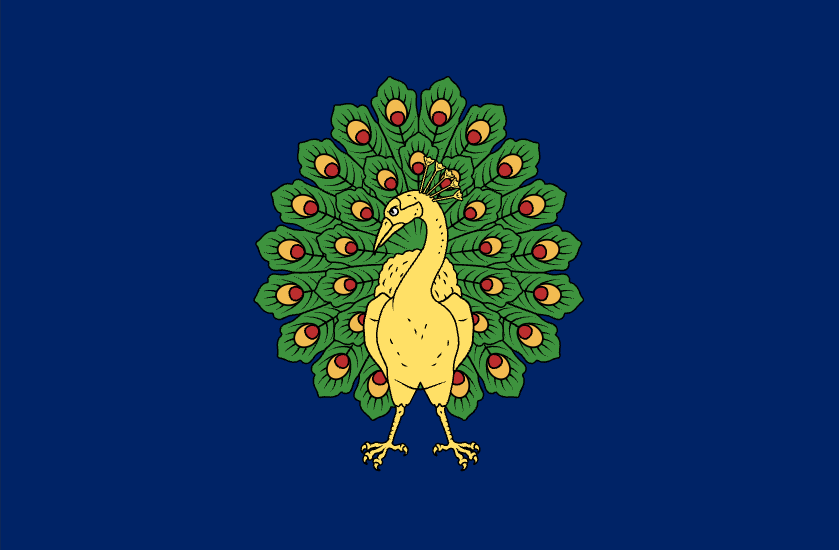
The kingdom of Sarth lies on the southwestern part of Turaan. It is ruled by a king or queen who wield absolute power but often delegate it to nobles of lower rank such as dukes. There is no one royal house - it is instead determined by anonymous vote from the 100 noble houses (called The Feathers) who choose the ruler and thus the royal family. Once chosen the only way to change the royal family is for them to be without an heir thus forcing a new vote.
Organized religion and worship of High Spirits and High Demons is outlawed in Sarth and has been since its founding. The people of the kingdom reject the divinity of the gods, but do not refute their existence. They see them as invaders and aliens, something to be fought rather than revered.
Sarthian mages are educated through a system of mentorship. Each mage with at least 10 years of experience must take up several apprentices. The kingdom typically allows the mentor to screen and reject candidates, but the crown reserves the right to force an apprentice upon someone, regardless of their will.
Sarth is known for The Dance - a way of life that all those living in the kingdom are subject to. It entails using information, subterfuge, threats, favors, etc. to rise through the ranks of society. While laws forbid acts such as murder, blackmail, etc. so long as one is not caught or exposed - it is fair game. Thus even the lowest of commoners might become one of Feathers at some point.
During the Dance, two people might find more common ground beyond mere interests. Falling in love with a partner in the dance is rare but has happened and shifted the course of Sarthian history.
Sarthians see themselves as passionate, intense, better than others in every regard, both personally, as a people, culture and nation. They prefer to manipulate and subjugate from afar, rather than engaging directly. If that becomes necessary, their military and knights are considered a force that can match even the Empire despite the difference in numbers.
They are seen as snobbish and brash, particularly by citizens of the western parts of the Pheagon Empire, as well as the Xafians.
Kingdom of Xaf
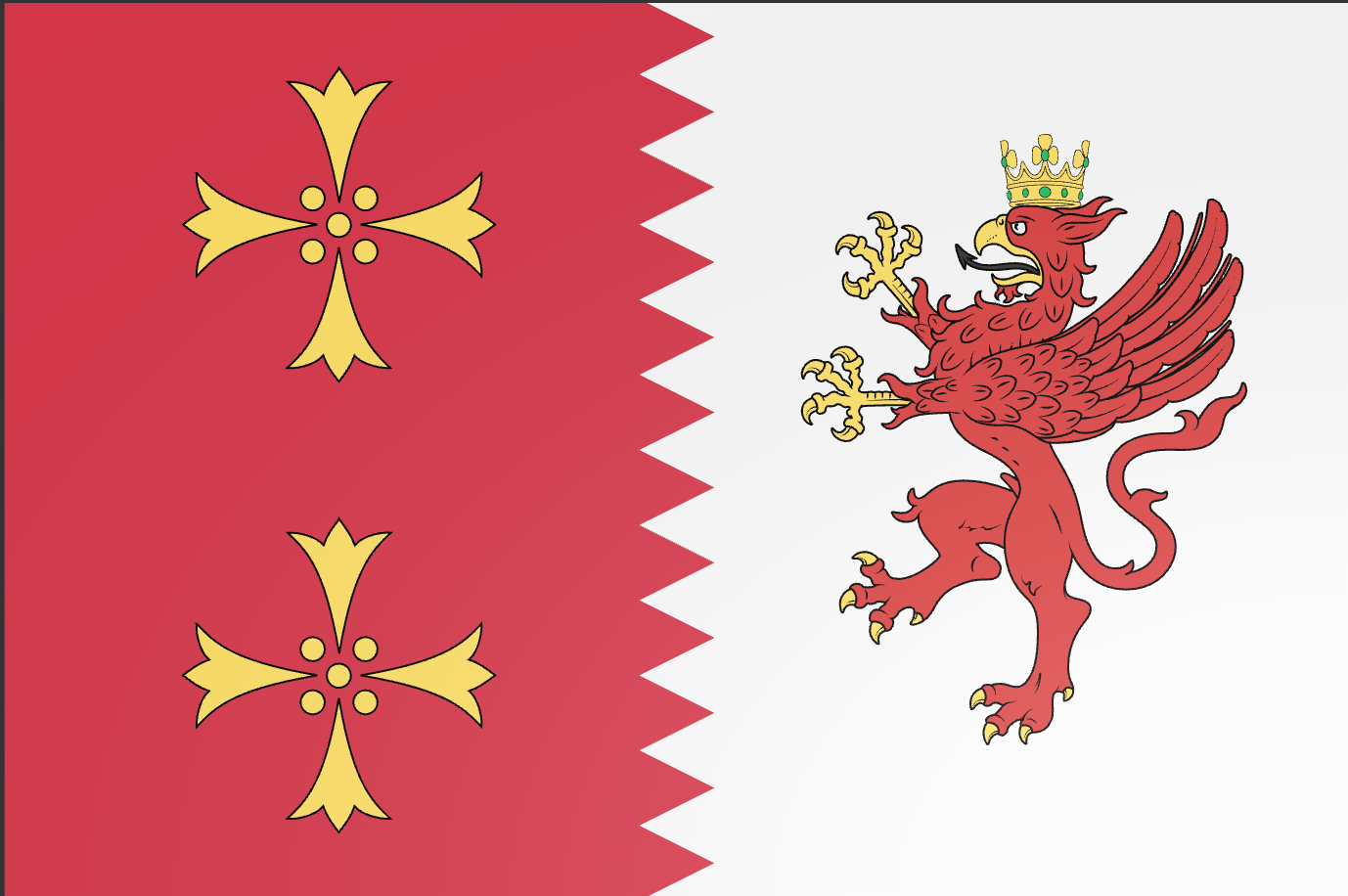
The Kingdom of Xaf is located on the southeastern part of Turaan. It is ruled by a king from the royal house of Stahlmark with strictly defined rules of succession in which male heirs and relatives take precedence over women. As a result there have only been 3 queens that weren't regents in the entirety of Xafian history.
They are famed as the originators of griffon riding, which they have used effectively in battle in their numerous wars. Griffons are treated with great care and pride and have extensive pedigrees going back hundreds of years. To kill an innocent griffon is considered a grave crime against the kingdom and is punished severely. Families can "marry" into each other through breeding griffons and bonding or creating relationships over the new clutch, which they must care for jointly. The new family takes the last name of both families, which has over time led to some incredibly long last names, some comprised of over 30 elements.
Mages in Xaf are treated with scorn and seen as cheats and scammers. They tend to be rare, whether simply due to hiding their talents or the various Xafian Blood purges that were done in the past - remains unclear. The most common type of magic is War magic; mages are seen as nothing more than instruments of war, tools to be used, discarded and replaced if they have outlived their purpose.
Ever since the Empire has conquered the western coasts of Salaraan, Xaf has had animosity towards it, which has since grown into open hostility culminating in the Three wars for the East (known as the Coastal wars in the Empire). During the second of the wars for the East the Xafians have made agreements with the kingdom of Sarth and the Vorathian Hierarchate to oppose the Empire and its advances. Despite this the wars ultimately led to significant loss of land for the Xafian kingdoms.
This has brought great shame and led to the deposing of then ruler Karl IX Stahlmark and conflicts among the nobility over who was most responsible for such a resounding defeat. The current ruler (at the time of the Imperial Civil War) is the third and youngest son of Karl IX - Wilhelm (later to be known as Wilhelm I, the Great, Stahlmark), who is 14 years of age. Several of the nobility have used this situation to their advantage and are acting as a Regentsrat. His elder brothers (Karl X Stahlmark and Johann III Stahlmark) have died in battle during the third war.
They are a proud, noble, hardy and hardworking nation, with an industriousness that can only be compared with the Elawen of The Diarchy. Particularly their blacksmiths are famed for the unparalleled quality of their weapons and armor. They are also known for their saints, the Xafian Helligs, whom they revere along with the High Spirits and High Demons.
Other nations, such as Sarth, see them as blunt and inelegant, while the core of the Empire sees them as uncultured. Regardless of their stances, no one denies that they are among the most powerful nations in the known world.
Vorathian Hierarchate

Often called just the Hierarchate is a theocracy on the east coast of Turaan. Their society revolves around the worship of the High Spirits and erasing the worship of demons of any kind, as well as going on crusades and sending emissaries across the world to eliminate demons. The days of their citizens always include prayer, sermons and various small rituals. Each citizen is required to make their own personal symbol for the god they worship. This could be a form of jewelry (amulets, rings, etc.), wooden or stone figurines, paintings, etc. This object is then consecrated by their local priest. This is typically done around the age of 15 and is seen as the entry into adulthood. Losing this item is seen as particularly bad luck for that person and their house, representing a loss of favor by their patron deity. Another object can be fashioned, but consecration happens at the discretion of the priest, requiring the individual to atone for one's sins that have led to the loss of divine favor in the first place.
They are ruled by a caste of clergymen who control all aspects of life within their borders - laws, morals, religion, trade, foreign relations, etc. A common saying in Sarth is that a man is more likely to be burned at the stake than bed a woman. The rules are strictly upheld with severe punishments for all those that do not live up to the standards posed by the Supreme Hierarch and The Conclave. Individual freedoms and even some group rights are seen as being of lower importance than abiding by the holy texts and commandments of the gods.
It is considered a privilege and honor to serve the gods even as just an aid to a priest or cleric. Those that are accepted into the clerical orders are treated with great veneration and respect, regardless of rank or position in their prior lives. The joining comes at a cost - the order is for life and can only be left upon death. The Hierarchate allows people to sacrifice themselves to the gods as an escape and final act of atonement for abandoning their one true faith.
The clerics of the Hierarchate wield great divine power, particularly the Supreme Hierarch and the Conclave - each of them supposedly having been granted a favor by the god they represent, though it is not uncommon that this ends up not being the case. Divine favor can be lost, sometimes faked, but other times it is simply not a god, nor spirit, that has granted the cleric their power.
The members of the Hierarchate see themselves as above others, dignified, serving a higher purpose and venerating the gods through their actions and lives.
Other nations see them as prudes, zealots or, as is the case in Sarth, complete lunatics who worship creatures who are anything but divine.
Brassarian Republics
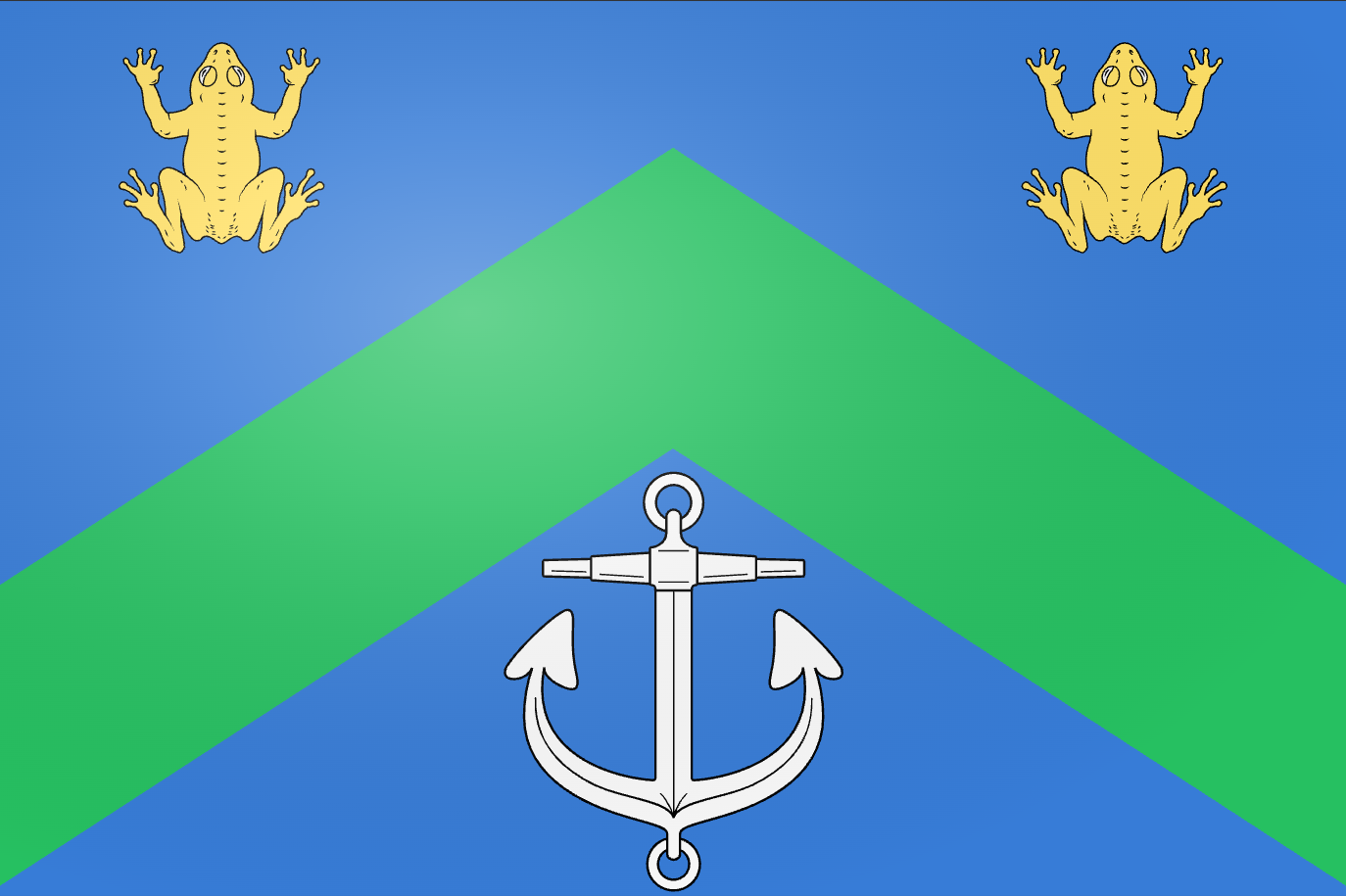
This can be quite confusing for any visitors to the islands - famously polygamy is legal and practiced on the island of ???, but represents a grave crime one island over. This is not seen as odd by the residents of the republics - they believe that each community, i.e. island, should be able to decide for themselves what they will permit and what they will forbid. Each person is not only allowed but encouraged to question the principals which their community/island follows. This has led to great flexibility and adaptability of each island and the Republics as a whole, allowing them to survive and thrive over the centuries.
Individuals can move freely between the islands and settle within the community that best suits their own personal morals, goals, aspirations, etc. though there are certain restrictions. For example, owning property on a non-native island is more complex - once land is bought, it is only considered held by the non-native resident until they have lived on it for at least 25 years, at which point the transfer of ownership is complete. People can also marry residents of any of the other islands, but the marriage must follow the rules of the islands they choose the settle on (some islands do not even have marriage as a legal form).
All the laws that each of the Cavetta creates must follow the Brass Concordat - the agreement that unified the republics centuries ago - and laws of the Grand Velthane - the decision making body of all of the republics. The powers and jurisdictions are enumerated in detail within the Concordat; the Grand Velthane is chiefly responsible for foreign relations, which include diplomacy, trade, war and defense from foreign enemies. It's other main area of regulation is inter-island relations, such as the aforementioned rules of owning property. Each of the islands, through their Cavetta, sends a representative that receives instructions on how to vote and which stance to take. Debate and discussion are considered of utmost importance in Brassarian culture.
They are primarily a mercantile people preferring to trade and use diplomacy than to fight in outright war. They are expert sailors and their ship-making is considered on par with the Elawen and ahead of the Sarthians, who often commission Brassarian ship makers to create capital ships for them. They are also renowned for their banks and expertise in coin.
They see themselves as pragmatic, shrewd and masters of all things financial and economic. The Empire sees them as a useful trading partner (when not at war with the Arlonian Union) but are weary of their intent at all times, seeing them as manipulators who always have a hidden plan. Xafians prefer not to deal with them unless they must due to the Brassarian need for "useless talk". The Elawen of the Diarchy see them as a primary rival, while the Do'Rau maintain cordial relations. Sarth sees them as a useful ally but a potential threat that must be kept in check.
The Diarchy
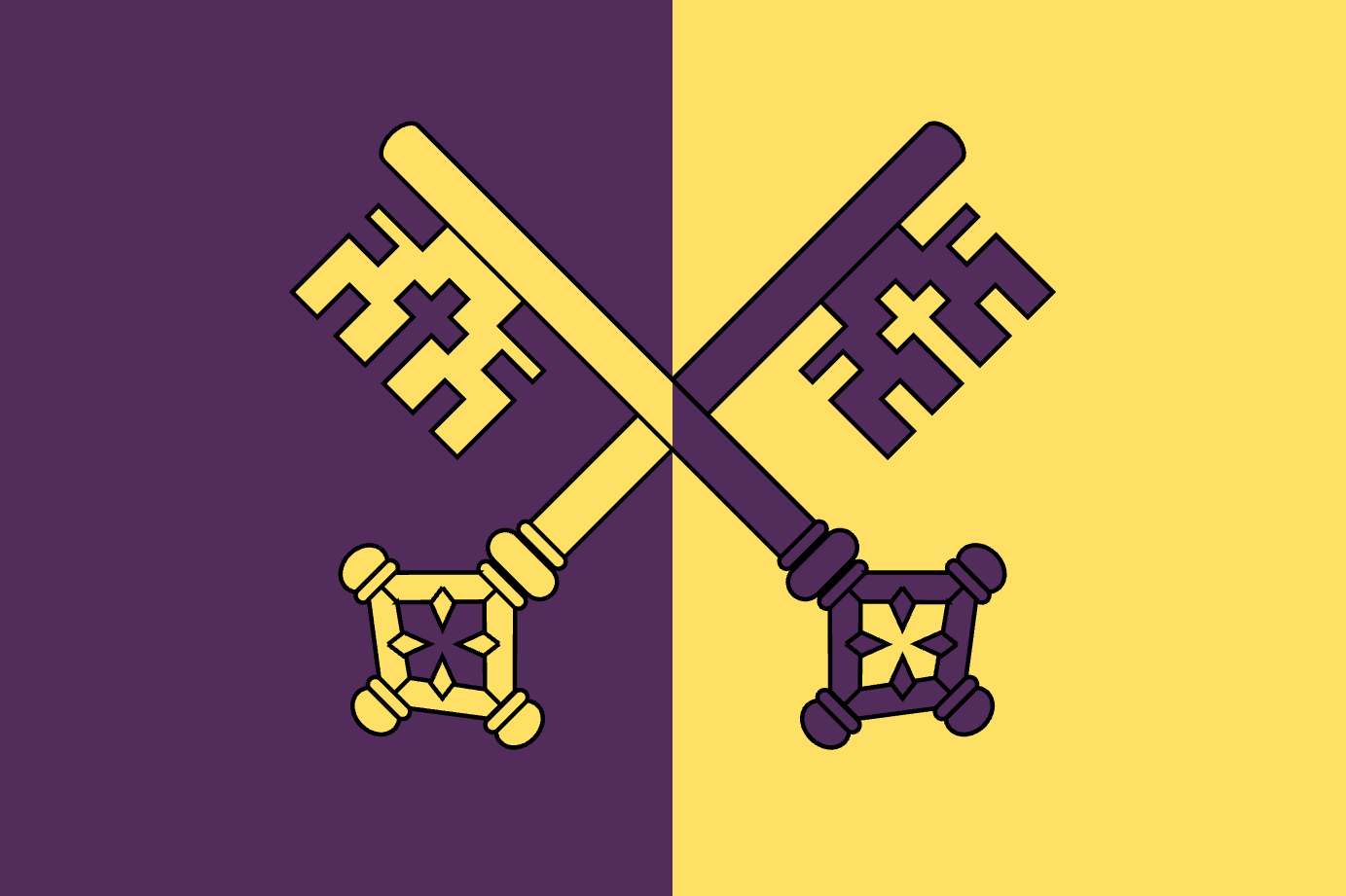
The Diarchy is a dual-kingdom comprised of the Kingdom of Leanyir, the kingdom of the Elawen, and the Kingdom of Qossrath, the kingdom of the Do'Rau. The king always comes from Leanyir while the queen is from the lands of Qossrath They rule jointly and with equal power and authority. For any decision to be made they must both agree to it and the way it is to be implemented.
Each of the kingdoms reserves the right to regulate their internal affairs, while external affairs are handled by the dual-crown. Despite nominally being the representatives of the entire Diarchy, they are considered below in rank to the monarchs of the individual kingdoms. In this way they are similar to the High Monarch of the Arlonian Union, though with more influence, power and authority.
The Tazhiran Qazmirate
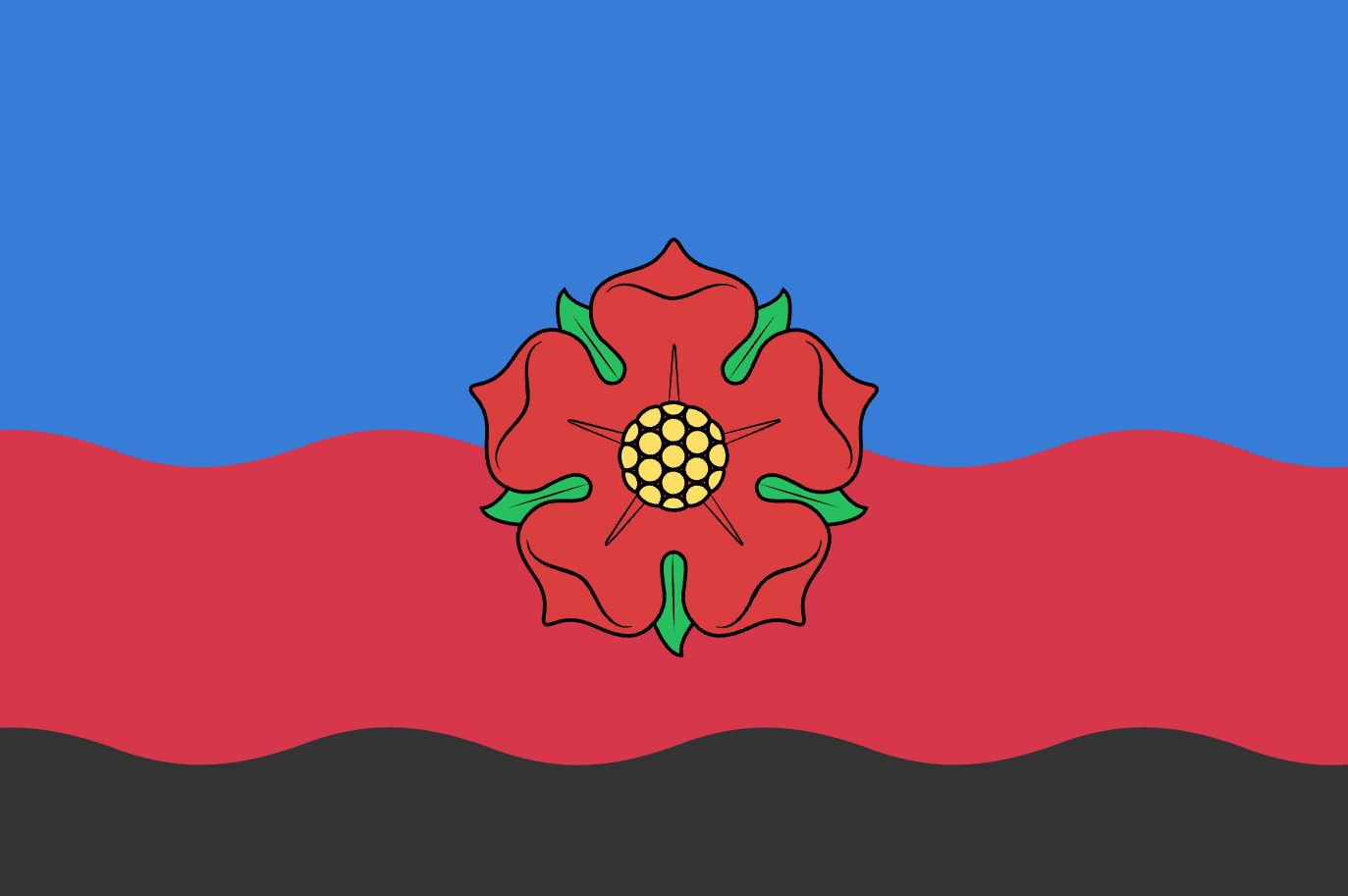
The Qazmirate gets its name from the Qazmira - the female ruler of the land, that comes from the royal Tazhiran Dynasty. They are a matriarchal society where women rule and decide, while the men obey and do as they are told. Physical strength and martial prowess are seen as something that can be acquired, akin to a craft or trade, and as such have less value in Qazmiri circles. The wisdom and charm that stems from the feminine is revered as an ideal that all people, men and women, should strive to achieve.
For most outsiders the Qazmiri appear as superficial - they place great emphasis on physical appearance, proving oneself and showmanship. Women are held to high standards in terms of knowledge, education, magical prowess as well - being a polymath and polyglot is expected. As such, most of them are on par with the erudite circles of other nations. The knowledge they have acquired and passed down through the generations has been one of the cornerstones of their advancement, most notably in alchemy.
Marriage is strictly between two women, while male consorts or stewards are employed for creating and taking care of heirs, chores and other tasks around the house. It is not uncommon for the nobility and the wealthy keep tens of consorts on their estates. Men are expected to be tall, strong and capable of multiple crafts and skills. Those who do not meet the criteria are met with open ridicule and are seen as "lesser" by other members of society. Even among just the male citizens there is a strict hierarchy based on ones capability as well as appearance.
Women of Qazmiri descent more often have access to magic than men, which they use to maintain their positions of power. In fact, magic is much more common than in most other cultures and nations. The most common type of magic is Agri-Magic, which is used extensively to provide food and water in the parts of the Qazmirate that are swallowed by the Red Desert. Male mages are awarded a higher status than the rest, which comes with additional rights, freedoms and influence.
The strict social hierarchy may seem suffocating to an outsider but the Qazmiri place great emphasis on "Her can yerinini bulur" - literally translated as "Every soul has its place". Each individual, no matter how small or insignificant of a role they might have always has a part to play. Even those that fall outside the "ideal" criteria are provided for and taken care of should they needed, leaving no individual behind. There is some social stigma around needing the aid of others, though most would call it "encouragement" (the line between insults and encouragement are often blurred).
To this extent, both men and women may perform a religious ritual called the Tenürüm, performed by their priests, in order to change their outward appearance. The ritual is a closely guarded secret, known only to select few high ranking clerics. Its purpose is to allow someone to take a different spot in the social hierarchy that matches their internal sensibilities - a man can become a woman and vice versa and be of greater use to society and find their purpose and place within it. The ritual is available to all, but requires evaluation of the individual by the cleric who would perform it.
They are famed for their textiles, rugs, clothing and silk. Glass blowing is something they are also known for, creating intricate designs and objects from the sands of the desert and coastline. Other notable exports include spices and plants (such as the Qazmiri Rose) that grow only in the shade of the mountains within the Red desert. They are most famous, however, for their extensive knowledge of alchemy. They are able to create untraceable poisons, cures for many ailments that require magic elsewhere and supposedly even elixirs that can extend one's youth.
They see themselves as pragmatic, preferring to use flattering words instead of swords, but unafraid to charge into battle to take what's theirs. Patience is another virtue that they use to gain the upper hand, often creating plots that take decades to mature. They are keenly aware that their knowledge, both home grown and from beyond the Sapphire Pass, is a great advantage and they guard it jealously.
The Empire sees them as a potential threat, but too distant to currently be of significance. The Arlonian Union sees them as a rival akin to the Empire, but given their proclivity for intrigue over outright war they are given less attention. The Kritarchy and Platesian city states maintain cordial trade relations.
The Okaeron Kritarchy
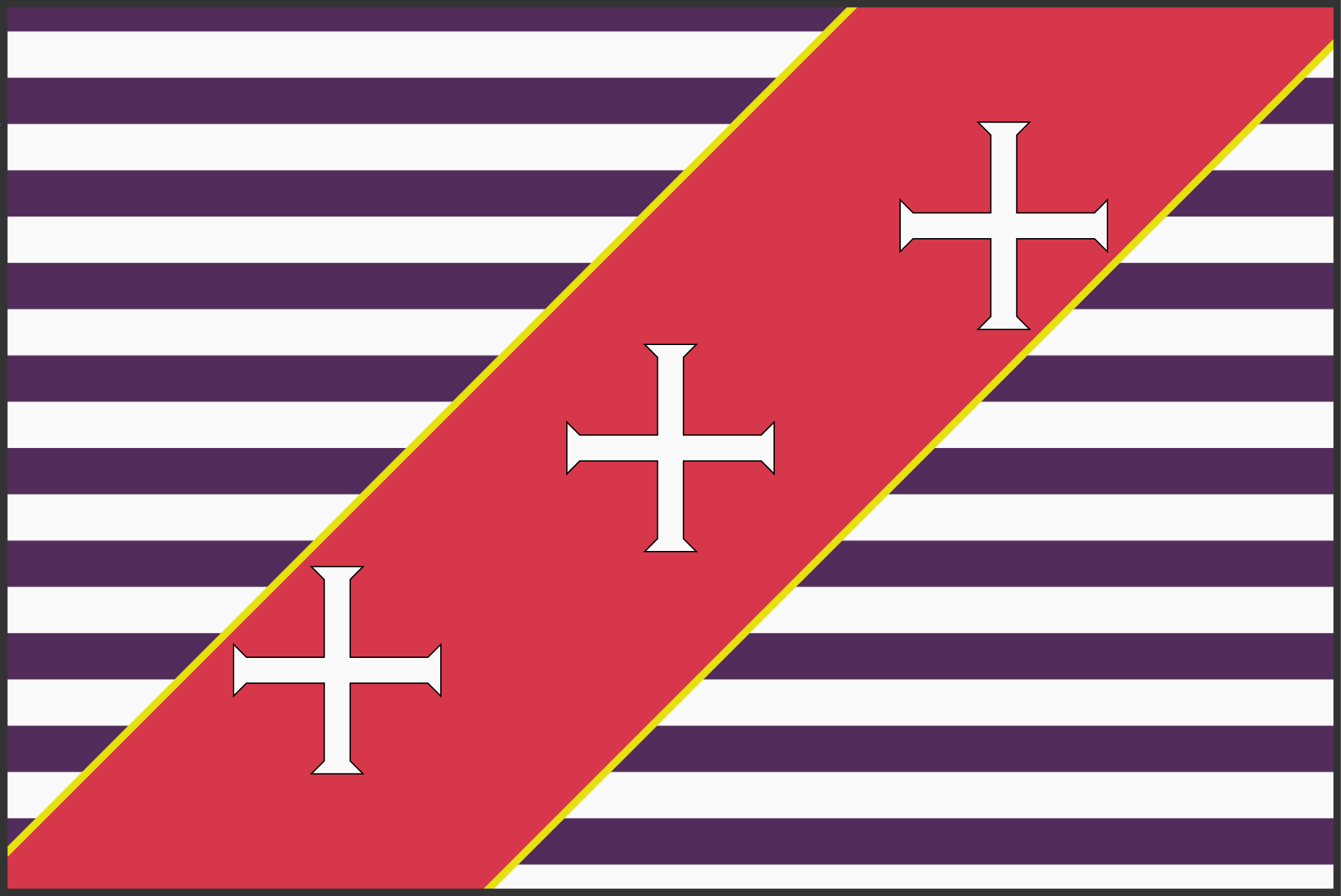
The Kritarchy is a complex society comprised of three casts called Okaeron and that is based around the principle of order. According to its founding mythology, the region has lived through long periods of anarchy and upheaval until Silon the Confessor received visions from the High Spirit Verumal. From them he wrote The Book of Orders - a set of rules that are never to be broken or changed, but guarded eternally as the sole truth of life. This scripture, centuries later, is both the fundamental law and the basis for their religion.
The lowest of the three castes is the most numerous and comprised of farmers, craftsmen, sailors, traders, scribes, guards, soldiers and some mages. Members of this caste are further divided into groups, called Kaeron. They are comprised of a certain territory and the people that live within it, each one having roughly around five thousand people. While they cannot propose laws, the lowest caste has the power to approve or reject proposals for changes in law. Being born into this caste means that a person is stuck in the profession of their family, except in the case that they cannot perform it. In that case the Kaeron will decide on what the person's new job and duties will be, by a majority vote of all members.
The middle cast is comprised of mages (and most belong to it), upper echelons of officially registered guilds, minor nobility and landholders, likewise divided into Kaeron that typically has one to two hundred members. Lower caste Kaeron belong to a single one from the middle caste, which has the ability to propose laws that will be applied on the territory and for the people that are under it. Whether they will be excepted is up to the collective decision of the lower caste - not only is the majority of people required for approval but also the majority of Kaeron that are members of the given territory. Each person is required to vote, unless they are mentally unable. When it comes to physical inability each Kaeron has a system of messengers that will visit a household that has registered a family member that needs assistance with the authorities.
The upper caste (often called the Nomokaeron) is comprised of a few dozen members - the highest ranking nobility, wealthiest landowners, etc. They are responsible for the entirety of the Kritarchy and all individuals and territories fall under their authority. They are responsible for ensuring that the decisions of the lower castes conform to the Book of Orders. They can strike down any of the laws that are made by the middle caste and approved by the lower caste; this requires a majority of the Nomokaeron to be in agreement.
They worship a subset of the Empyrean - notably Verumal is seen as the supreme deity, while the goddess Mevor is seen as the chief antagonistic god. The rest of the pantheon is comprised of archangels and archdemons of the main gods.
Their military and navy is well organized and respected - their immediate neighbors such as the Kingdom of Sarth, while stronger and more numerous find war and open conflict to not be worthwhile. The Brassarian Republics maintain excellent relations focused on trade and exchange, as does the The Tazhiran Qazmirate, while the the Pheagon Empire and the Diarchy maintain token embassies and basic relations.
Platesian City states
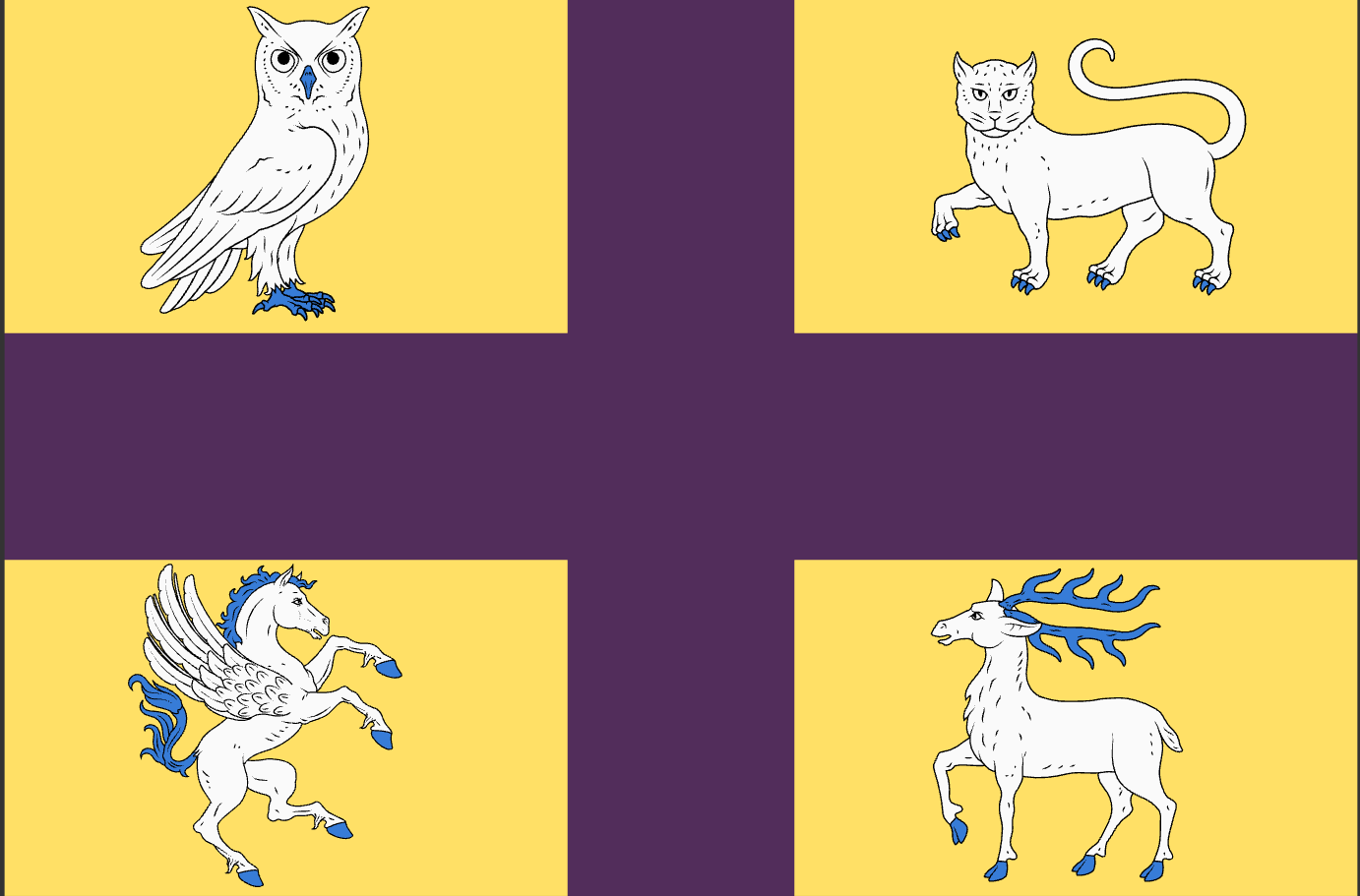
The Platesian city states are believed to be one of the oldest cities in the world. Situated on the northwestern coast of Turaan in the Bay of Patros (Blossom Bay) it is comprised of 12 independent cities banded together to defend against common foes. Their political and military influence has remained limited as their union does not include aiding one another in wars of conquest. There are many smaller villages and towns in the territories that they govern and people are welcome to settle where they please. However, to be able to settle within a city is a privilege that must be granted by the people of that city.
Each city is governed by a Synarchon - a body that is comprised of all the city's citizens. They make decisions by voting and the majority has final say. Not unlike the Brassarian Republics they highly value debate, discussion and respect for another person's opinions. Each citizen has one vote and voting is compulsory only for decisions that are expected to affect the city as a unit. Regardless, most citizens tend to cast their ballot for most decisions.
This has at times made the city states slow to react and has required faster decision making. In specific circumstances and with specific enumerated powers each ward of a city chooses a Dionarch who represents the ward and makes decisions and casts votes in their name. They lead armies into battle, manage the city during times of plague and siege, handle disputes between the denizens of their wards as a form of judicial power and may propose the harshest punishment for a member of their ward - exile. For someone to be exiled and ostracized a majority of all citizens must be for it.
Each city has a singular patron god, neither spirit nor demon, which the city worships. The gods have variously been described as monstrous, terrifying, strange, weird, otherworldly and haunting. One traveller remarked that "seeing the statues of these gods makes one pray not that one's own gods answer - but that these ones don't hear you." Animal sacrifices are more common in some cities than others, while human sacrifices supposedly happen as well.
They are expert traders, sailors and ship builders. They have extensive trade networks with the various nations of Salaraan, Turaan, Quaraan and beyond. While they deal in all the common things a merchant typically peddles it is not uncommon for them to have strange alchemical ingredients, lost recipes, weird technology, metals of unknown and unknowable origin and composition, texts in languages that have never been spoken or written on any of the continents of the known world, never before seen spices, etc.
They also harbor technology and craftsmanship not seen anywhere else - including in the Diarchy. This may be the reason why the area where the cities are situated has such a warm, almost tropical, climate despite being so far north and bordering the tundra. The flora and fauna are varieties one would expect to see in northern Quaraan or the southwest of Salaraan, accompanied by exotic species not seen elsewhere.
They see themselves as noble and proud, better than those around them thanks to their political system, resources, powerful technology, magic and supposed age of their culture. They are fearful of spirits and demons, seeing them as weird perversions their own gods would not approve of. They are happy to trade with the Sarthians, Xafians, Brassarians and Imperials, while staying wary of the Elawen who they see as rivals.
Given their remote location the Empire, Xaf and Hierarchate see them as an exotic trading partner. Sarth sees them as a trade partner to keep away from others and will often pay more or offer better deals for exclusive access to their wares. While aware of them, the Elawen of the Diarchy regard them as nothing more than a far away place of little importance.
Naar Elves
Naar elves live in the coldest reaches of northern and northwestern Turaan in an underground city of massive proportions. They venture out only in the form of raiding parties, trekking southwards to loot and pillage the nations that border the dangerous tundra. They live in isolation, refusing any sort of diplomatic relations from the outside world and they permit no visitors to their city, killing any trespassers on sight. Some individuals have escaped and told tale of their society; any and all accounts come from them and whatever outsider authors had decided to include or not include in their writings. As such very little about them is known for certain.
The social structure of their people is very rigid. Everyone is divided into one of ten tribes, each one taking up an entire floor of the vertically built underground city. The lower and deeper underground the more important, prestigious and powerful the group. However, each level deeper has fewer and fewer members, with the last level comprising of at most a few hundred members. The last level consists of what outsiders would call "rulers". There is no one monarch or elected official, rather all members of this tribe collectively decide matters that affect the whole of society.
While tribe is the closest approximation of what has been described it is also not entirely accurate. Members of a tribe are not bound by blood or relation. In fact it is possible for an individual to move between tribes based on merit and effort but it is also just as likely to lead to loss of status and get one forced onto a higher floor. This is meant to ensure individuals put their efforts towards society as a whole or be punished for putting themselves before others.
Naar elves care for their families just as any other people, however, it is expected of them to put the tribe before even their closest relatives. For example, you are expected to report even your own children should they commit a crime that is punished by banishment (considered as the harshest sentence possible). Not doing so is considered a great shame and is likewise harshly punished. This is even reflected in their naming convention - Naar elf names take the form of "First name, name of tribe, last name" indicating the principle that the tribe takes precedence.
All naar elves have characteristic snow white hair and the ability to see in darkness. They are sensitive to sunlight and heat; summers in the south posing a great burden on their bodies, though they are seldom injured or hurt by such conditions. Most of them are short on average - 6ft (180cm) is considered very tall. Strength and physical prowess are valued, particularly in the upper levels from which the raiders come from, but slender and androgynous forms are considered ideal in the lower levels.
As very little is known about them members of other nations have most likely never heard of them at all. The exception are the northern most nations of Turaan and those in erudite circles who research such things. The Naar elves see all outsiders as enemies, untrustworthy and to be killed on sight - they do not recognize differences in cultures, peoples or religion.
Mist elves
The Mist Elves do not have a unified nation or civilization. They are comprised of five main groups, typically referred to as tribes, that reside within and around the Mistlands. Each of these tribes has different relations with the various peoples of the world ranging from open hostilities to alliances. Their common origins do not help when it comes to relations between the tribes either - the opinions they have of one another are complex and soaked in histories, both good and bad.
Mist elves have an innate ability to traverse the Mist - for short periods of time they are able to cross into other dimensions through it and, more importantly, return to their exact point of origin. The longer they stay away from their plane of origin the higher the chance of "slipping" elsewhere instead of returning home. This capability can be honed and trained through practice and meditation, but each individual has a different limit to how far they can take this ability. This ability is used for exploration as well as resource gathering. Mist elf traders often carry ingredients, materials and objects that are extremely rare, if not impossible to find, on the material plane.
Most Mist elves denounce the divinity of spirits and demons. The Ashenaren believe all of them are a scourge and to be eliminated, while the Thrandiil and Grotseer take a case-by-case basis approach, though still rejecting any notion of divinity and viewing them as merely powerful entities, some of which can be reasoned with. The Yoleyni, however, embrace the spirits and demons as their faith.
Thrandiil
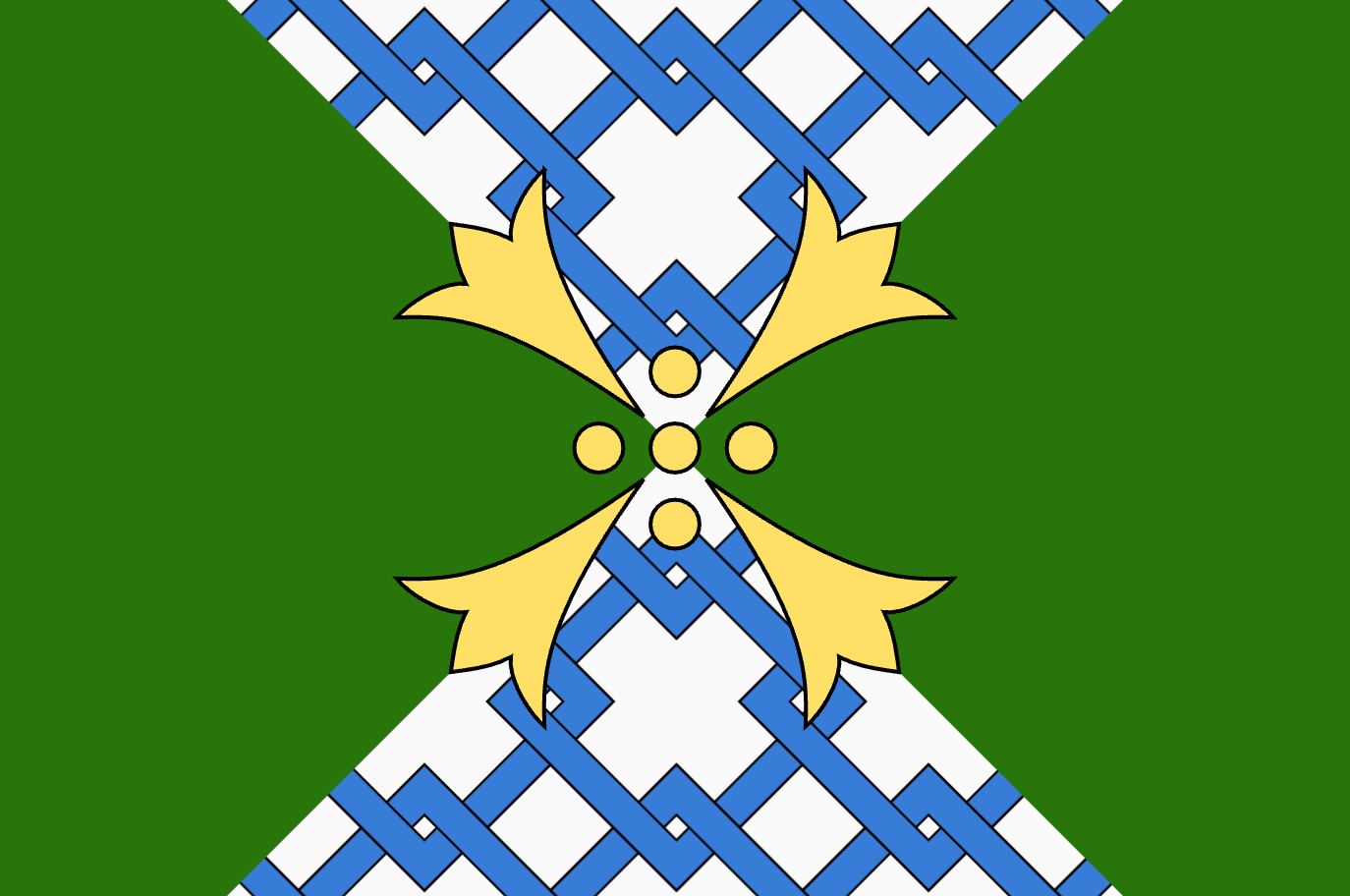
The largest of the Mist elf tribes they value peace, diplomacy and trade above all else. They will rarely engage in conflict or battle, mostly when they are cornered and left without any other choice or chance of compromise. Many nations have seen this as a weakness and attempted to conquer them numerous times. No one ever succeeded however, as the Mistlands provide an impossibly difficult environment to traverse, let alone occupy and hold.
They build their homes and cities around enormous trees which can only be seen from afar from certain angles and at certain times of day. The dwellings extend up the trunk and decorate the canopy. Some are carved into the trees, others tied with magical vines and ropes, while some float and levitate around them. They also create burrows underneath the trees, creating underground extensions of their cities. These are mostly used as shelter from the Wild storms that harrow the Mistlands and for storage of perishables.
The Thrandiil society is known far and wide for its generosity to its members. There is little (if any) greed, avarice or ill will between the members of these tribes. Ownership and property are not viewed the same as in the rest of the world - people are expected to share, chip in and help out each other however they can. This can include items or money but also skills, physical labor, sharing of knowledge, etc. They are very forgiving and kind, opting to educate and have members learn from their mistakes instead of punishing them. In the past this has been exploited by members of other cultures. The origin myth of the Mist elves speaks of their ancestral home, the City of Menkhet, being overrun by demons because of their trusting nature. They have since learned to deal with outsiders differently than with their own people.
They maintain excellent relations with most of the other Mist elf tribes and outside nations. Particularly they consider the Pheagon Empire and the Elawen of the Diarchy their closest trading partners, while maintaining close relations with the Arlonian Union, often finding common ground and language with the Brassarian Republics.
Others see them as useful trading partners and allies when it comes to exploring the Mistlands, where they often act as guides. The Ashenaren view them as foolish and naive, some would say weak, but quite useful when it comes to diplomacy and trade with the outside world. They have had an alliance for hundreds of years, with each side covering the other's weakness. The Grotenseer retain neutral relations. The Yoleyni disagree with their view on the spirits and demons and as such have borderline hostile relations though the Thrandiil have been adept at avoiding outright conflict. The Leth do not maintain any contact with this tribe.
Ashenaren
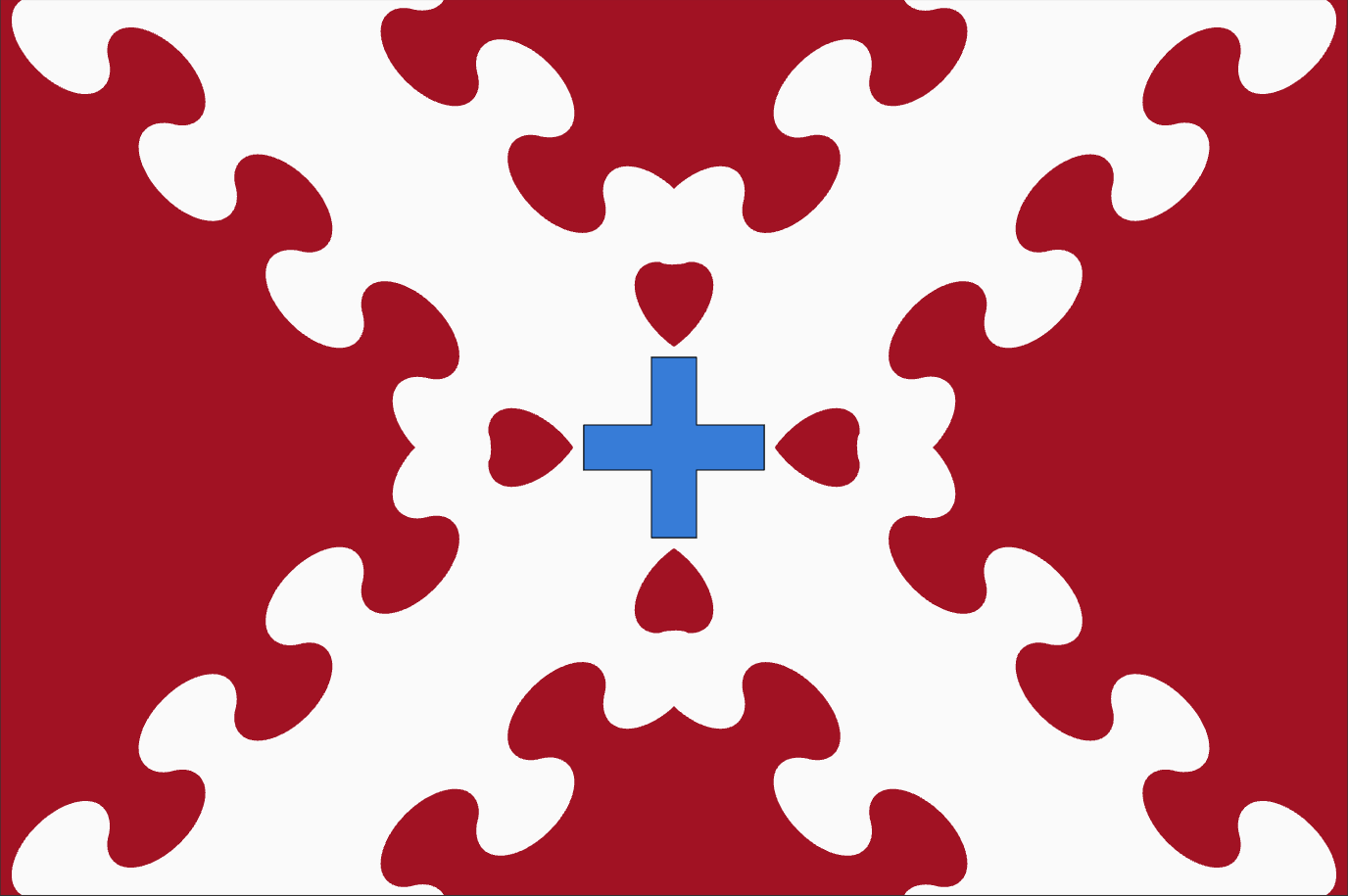
The Ashenaren are a militaristic tribe that values strength and combat above all. Arguments and disputes are handled through trial by combat. Though fighting to the death was permitted long ago it is now seen as a great taboo to kill another member of the tribe. The Mistlands are unstable and require large numbers of able-bodied fighters and mages to resist the threats that can slip between planes. They are experts at eliminating or subjugating the various monsters and abominations that can appear through Incursions, and often offer their expertise to other tribes and nations.
Their cities are made out of wood and vines infused with various metals (most often brass, silver, iridium and osmium). They are known for being bastions of stability in the Mistlands, resistant to incursions and divine magic in general. It is said that in these cities even the gods cannot answer prayers. The wood comes from trees planted and grown at a magically accelerated rate, used specifically for the construction of buildings. It gets special properties that can change depending on the metal it is imbued with. The exact magic and rituals used are a closely guarded secret. The wielders of this particular type of magic are held in great regard and are given great respect. The exact way that one joins this elite group of mages (the Lenwyr) is unknown.
The Ashenaren are the only tribe alongside the Yoleyni who practice the art of face painting. They fashion magical paints, imbued with metals not unlike their cities, that grant them magical protection and abilities. For example, those with intricate iridium symbols are known to act as anchors in the unstable environment of the Mistlands. Members of the tribe are often employed (alongside the Thrandiil) as guides by outsiders who hope to get through the area.
They maintain cordial relations with all other Mist elf tribes, except with the Yoleyni due to their differing views on the divinity of the spirits and demons. Due to their standoffish nature they have tense relations with most other peoples, including the Elawen, Do'Rau, Pheagon Empire and members of the Arlonian Union. The only nation they have mutual respect for is the Kingdom of Xaf due to their similar mentality and military prowess.
Grotseer
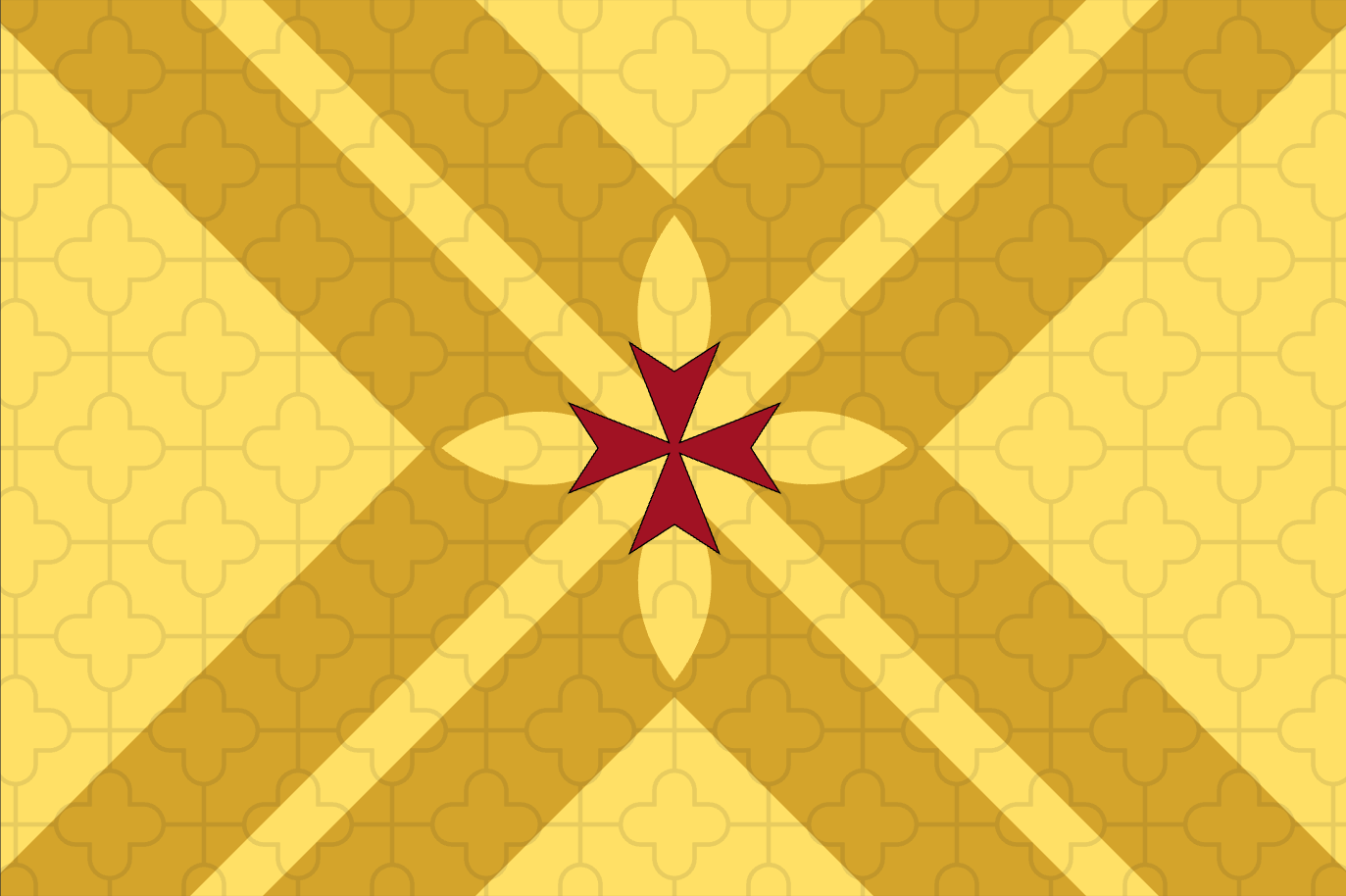
The Grotseer tribe is the third largest Mist elf tribe. They maintain a nomadic life, opting to traverse the Mist often and move between planes in search of food and resources. There are no cities or ruins, nor written records that they leave behind. At most, if lucky, one might find a burial ground for their fallen on the material plane, though they do not bury anything along with the dead. Finding them and maintaining any semblance of contact is impossible for outsiders without the help of the Thrandiil or Ashenaren who often use this to their advantage. Very little is known about them and what is known mostly comes from second-hand information, either from the other tribes or from written accounts of explorers from a bygone era.
They are a hardy people - a consequence of their nomadic way of life. To outsiders they may also appear cruel to their own, often choosing to leave behind or kill those that cannot continue with them on the journey. From their perspective this is seen as a necessary measure to ensure the survival of the tribe as a whole. Their collective mentality means they are inclined to put the whole tribe and its subgroups before any individual, including themselves.
Their expertise in traveling between planes also comes in handy when crossing into the Liminal Sea. Some scholars and outsiders speculate that it is the true home and that those that lead a nomadic lifestyle are either scouts, explorers or outcasts. None of this has been confirmed with any degree of certainty and is speculation.
Most peoples outside the Mist elf tribes have no relations with the Grotseer, and a large portion does not even know about them. The Mist elves tend to be weary of them but conduct trade in order to get rare materials from other planes, either to resell to others or use for themselves.
Yoleyni
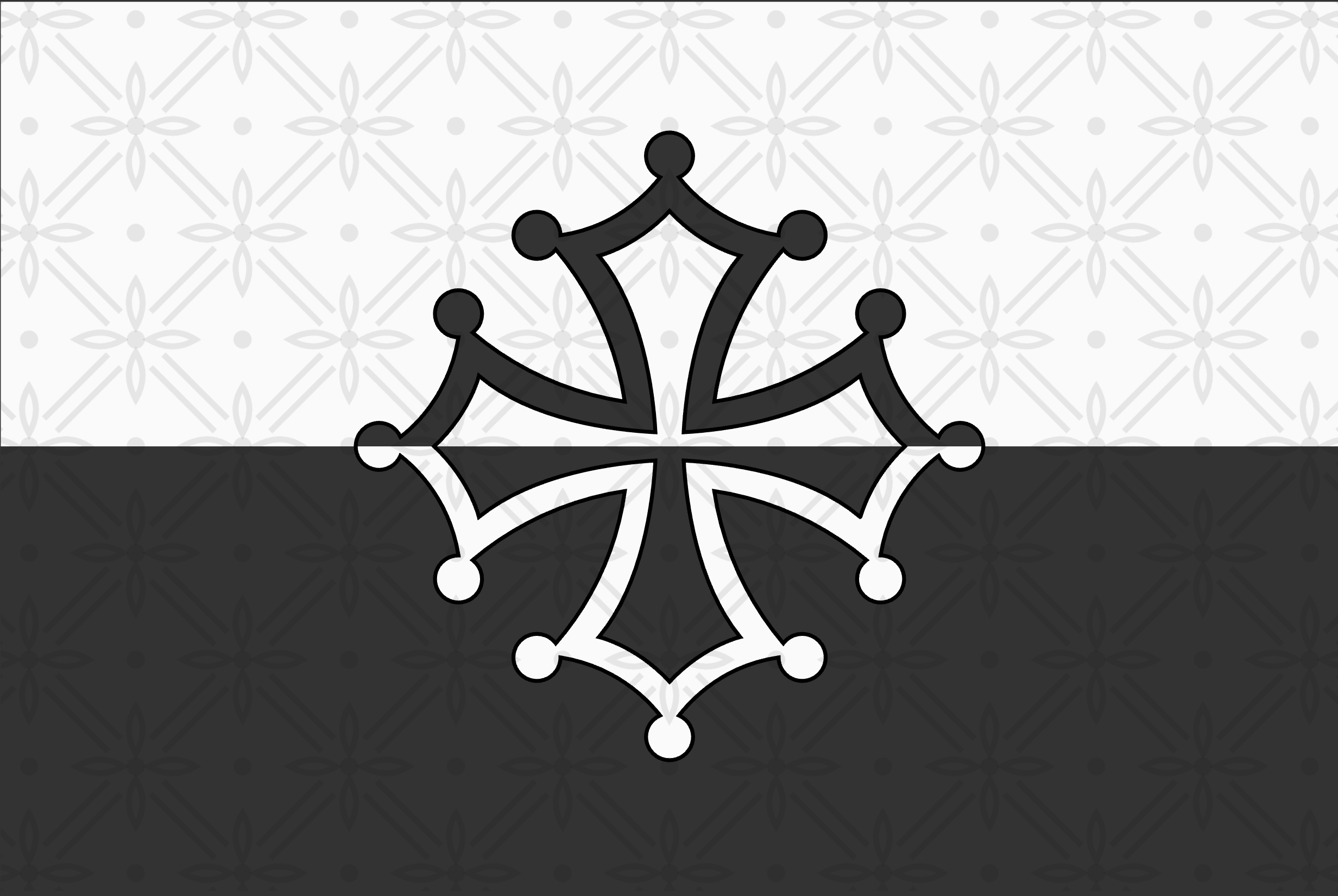
The Yoleyni are a tribe who worship the spirits and demons with fervor. They have built places of worship throughout the Mistlands, from chapels to cathedrals, which act as beacons of stability. Situated to the west of lake Argrys they often come into conflict with their neighbors due to their aggressive wish to spread their faith to others. They are also known for smithing alloys of metals other blacksmiths have no way of forging. This has allowed them to make unique weapons and armor that are sought after throughout the world. Smithing and trading their creations with other nations have allowed them to finance their expeditions and conquests. They are renowned not only for their craft and physical strength, but also their patience - which is thought to be what makes them such a fearsome foe.
While they do not hesitate to use force the Yoleyni have no intent on subjugating other peoples beyond forcing them to adhere to the faith. They will leave contingents of warriors to ensure strict adherence to even the most inconsequential of religious teachings. After several generations have passed, having ensured that the Empyrean's teachings have taken root they shall leave the people to their lives, sending only one or two scouts to ensure they have not strayed from their path.
They are the only tribe along with the Ashenaren to practice the art of face painting. Unlike their brethren they imbue their paints with the blood of various animals that are magically enchanted. These enchantments give them various abilities that stem from the animal whose blood they have added. For example, wolf's blood lets them have a superior sense of smell while hawk blood gives them improved eyesight. If a person adds various animal blood types, the enchantments can become unstable. It is not unheard of that someone has died due to the intensity of the enchantments that were added. Likewise, adding more or stronger enchantments from a single animal can also lead to the same result. As such, members of the tribe are required to be physically capable and strong. From a young age they are trained in combat and forced to reach peak physical condition. This has made the members of the Yoleyni physically stronger on average than members of other tribes.
Due to their faith and wish to spread it elsewhere they have sour relations with the Thrandiil while the Ashenaren tolerate them but have been known to come into conflict from time to time. They are also the only tribe besides the Ashenaren to have any relations with the Leth. The Empire and Arlonian Union (Sarth) in particular are thought to support and finance their militant activities throughout the Mistlands in order to destabilize the region and create distractions.
Leth
The tribe of Leth is reclusive and isolationist. They maintain some basic relations with the Ashenaren and Yoleyni tribes, offering esoteric alchemical ingredients in exchange for more basic necessities while shunning all other peoples and cultures. They occupy a small part of the southwestern edge of the Mistlands. Their numbers aren't known but they're thought to be the smallest of the tribes.
What little is known of them to outsiders is that they worship strange black oozes for which they build obsidian obelisks for. The ooze seeps from the earth and climbs up these structures, which are tens of meters tall, and slowly takes shape over years and decades as it grows. Each idol takes a different, monstrous and strange form. They are worshipped as gods and there is a very large number of them, more than the number of elves that revere them by some accounts. The idols are kept in the Forest of Bones in the Mistlands, so called for its thin white trees whose trunks grow upwards at weird angles and cry a bone marrow like substance when cut. Their leaves are the colors of bruised flesh with thick canopies that let little light down to the surface.
The skin of the Leth is almost as pale as that of the Naar elves and it has a green tint. Their hair is black and oily, their eyes are small pools of black sclera that glisten red in moonlight, resembling the oozes they hold in great regard. They are very tall and thin, with limbs that can move at odd angles and directions. When dealing with a threat they opt to move in the darkness, in which they can see as if in daylight, rather than engage in open battle. Stories indicate that even the Elawen have difficulty hearing their movements, meaning they are practically silent, if not entirely so.
As they do not allow visitors and they are never seen outside of their territory very little else is known about them.
Ulundir
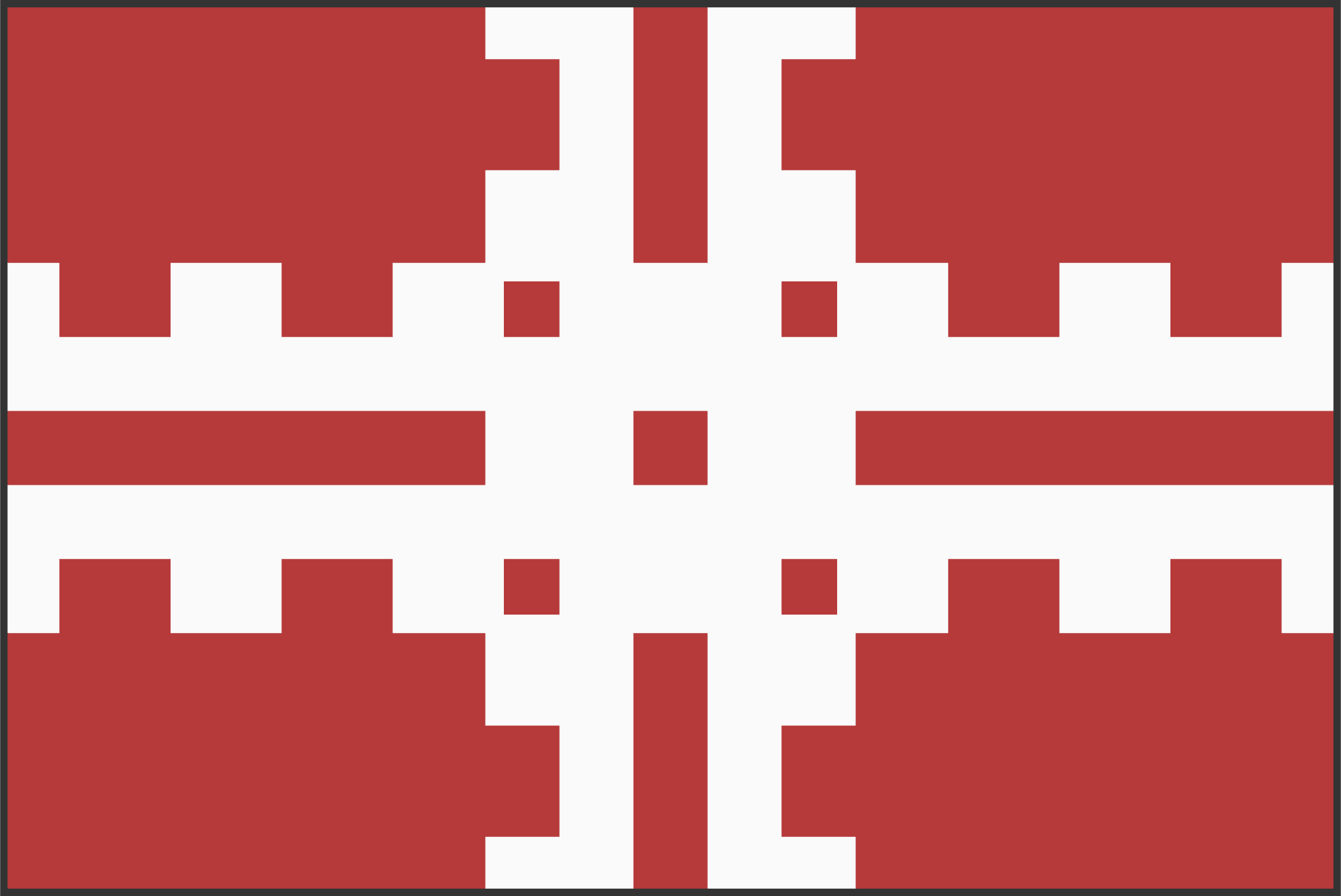
To the far south lies the vast nation of Ulundir. Their traders and merchants have crossed great distances and carry exotic goods and stories of the places beyond the Red Desert and ??? range. Thus not much is known for certain, as these are second hand accounts at best.
The Ulundari are a half-humanoid half-animal people. They are bipedal but typically have the heads of animals (some of which are not found in the northern lands) and other animalistic features such as wings, tails, claws, etc. They build their homes out of blocks of orange and red stone, carved from quarries that have become makeshift settlements in and of themselves, taking up large swaths of land. Ulundiri clay, red marble and goldstone are sought after commodities across the world.
They reject the divinity of The Empyrean, who have little presence in their lands, and instead worship beings that are similar to themselves - a man with an eagles head and wings, a half-woman half-lioness, etc. Supposedly these gods walk among their subjects and offer wisdom and guidance, lead troops into battle, settle disputes and so on. They are both mortal and divine and wield both types of authority as well. It is not known if the same gods have always ruled, nor is anything known about the nature of their divinity.
Ulundir is known far and wide for its massive monuments built from enormous blocks of stone, shaped like pyramids, each one a house for the gods, connecting the earth to the heavens.
Playable species
- Human
- Elawen (High elves)
- Do'Rau (Drow)
- Mist elf
- Naar Elf
- Angel
- Devil
- Dragonborn
- Ironblood
- Half-Giant (Goliath)
- Half-Divine
- Lionkin
- Lizardkin
- Goblinoid
- Orc
- Sorcerers in D&D terms. ↩
Connections